
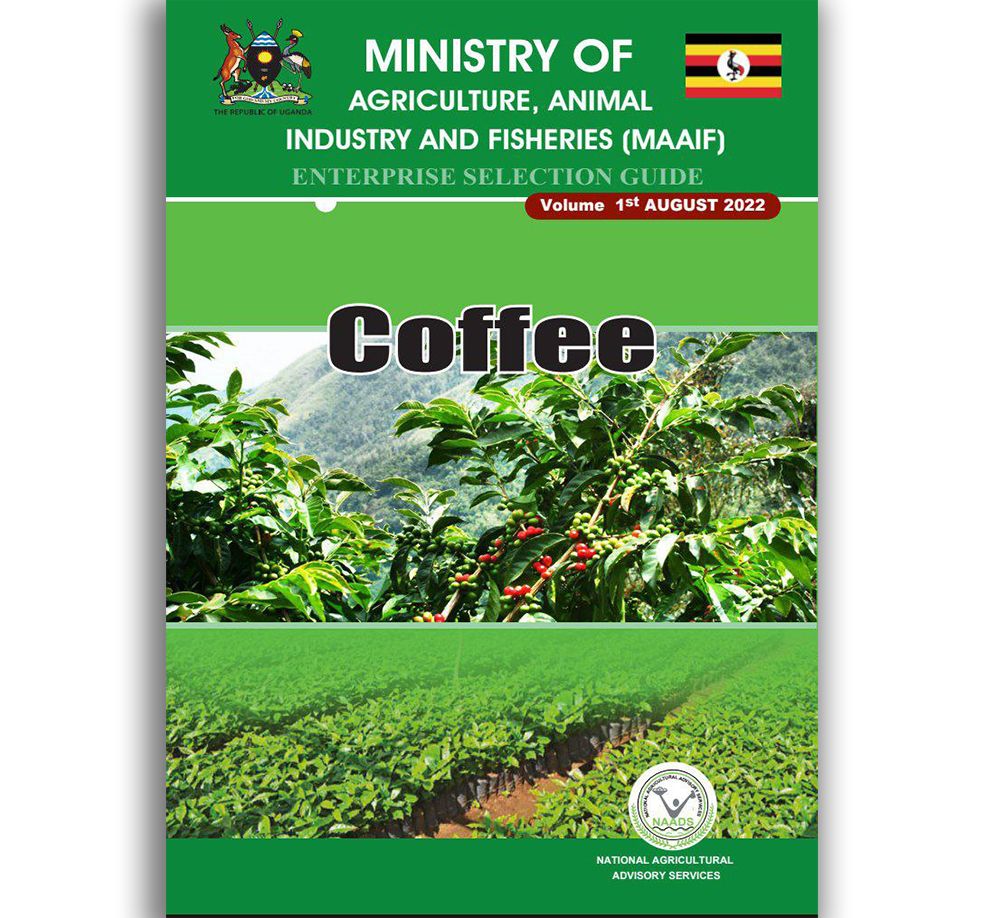
Description
The “Coffee Enterprise Selection Guide and Training Manual” is a comprehensive and essential resource recently compiled by the Ministry of Agriculture, Animal Industry, and Fisheries in Uganda. This guide is specifically tailored to empower farmers, agricultural professionals, and coffee enthusiasts with the knowledge and skills necessary to make informed decisions about coffee cultivation and management as a profitable and sustainable agricultural enterprise.
Key Components of the Guide:
- Varieties: This manual provides a detailed exploration of coffee varieties suitable for cultivation in Uganda. It describes the characteristics, flavor profiles, and growth requirements of different coffee cultivars, helping readers select the most appropriate coffee varieties based on their specific geographic location, elevation, and coffee market preferences.
- Growth Requirements: Understanding the specific environmental and agronomic requirements of coffee is fundamental to successful cultivation. The guide offers insights into soil preparation, climate considerations, shade management, pruning techniques, and recommended agricultural practices to optimize coffee tree growth, flowering, and fruit development.
- Pests and Diseases: Coffee plants are susceptible to a range of pests and diseases that can adversely affect crop productivity and quality. This guide includes a section on common coffee pests and diseases, their identification, prevention, and control methods, equipping coffee growers with the knowledge needed to protect their coffee crops effectively.
- Harvesting and Post-Harvest Handling: Proper harvesting and post-harvest handling are critical for preserving coffee quality and flavor. The manual provides step-by-step guidance on when and how to harvest coffee cherries and offers best practices for post-harvest processing, including pulping, fermentation, drying, and storage techniques to ensure the production of high-quality coffee beans.
- Cost-Benefit Analysis: To facilitate informed decision-making, the guide contains a dedicated section on cost-benefit analysis. It outlines the financial aspects of coffee cultivation, covering expenses related to inputs, labor, and processing, as well as expected coffee yields, market prices, and potential profitability. This information empowers coffee growers to assess the economic feasibility of their coffee farming operations.
- Additional Resources: The guide may include references to supplementary resources, such as coffee cooperatives, training programs, and government initiatives, to further support coffee producers in Uganda.
In summary, the “Coffee Enterprise Selection Guide and Training Manual” serves as a comprehensive and user-friendly resource, equipping individuals and communities in Uganda with the knowledge and tools needed to engage in successful coffee farming ventures. Coffee cultivation has significant potential to contribute to rural livelihoods, export revenue, and the overall agricultural landscape of the region. By promoting sustainable coffee farming practices and enhancing income generation, this guide makes a valuable contribution to the coffee industry and economic development in Uganda.



Reviews
There are no reviews yet.